Strategic Team Coaching Strategies for Optimal Team Performance
- Shawnette Bellamy
- Nov 11, 2025
- 5 min read

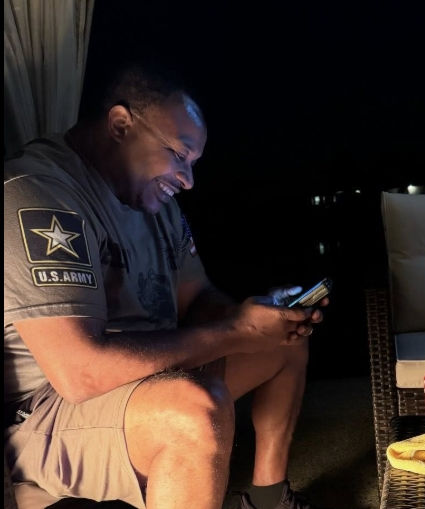
Effective team performance is the cornerstone of any successful organization. On days like Veterans Day, I’m especially reminded of this truth as I think about the men and women who have worn the uniform and led others in circumstances most of us will never face.
Recently, I was reflecting on the words of a veteran who said,“I couldn’t ask of others what I wasn’t willing to do myself.”
That statement stopped me in my tracks.
It’s more than a quote—it’s a blueprint for authentic leadership and powerful team coaching. When leaders are willing to go first, to model the behaviors, courage, and commitment they expect from others, teams don’t just comply—they come alive.
This same principle applies in boardrooms, classrooms, nonprofits, and any space where people gather to do meaningful work together. Strategic team coaching isn’t about pushing people harder; it’s about leading in a way that says, “I’m in this with you.”
Understanding the Importance of Team Coaching Strategies
Team coaching strategies create an environment where every member feels seen, valued, and empowered. It’s a shift away from top-down management toward partnership, accountability, and shared purpose.
A well-coached team benefits from:
Improved communication: Clear, honest dialogue reduces misunderstandings and builds trust.
Enhanced problem-solving: Diverse perspectives lead to more creative, effective solutions.
Increased engagement: People give their best when they know their contributions matter.
Aligned objectives:
Everyone understands how their role connects to the bigger mission.
I’ve worked with teams that started in conflict, weighed down by misunderstandings and unspoken frustrations. By introducing structured coaching sessions focused on active listening, empathy, and shared goals, those same teams developed stronger relationships and delivered better results—without burning out.
Key Team Coaching Strategies to Implement Today
If you want your team to perform at a higher level, here are practical coaching strategies you can start using right away:
1. Set Clear, Measurable Goals
Teams do their best work when they know what “success” actually looks like. Use SMART goals—Specific, Measurable, Achievable, Relevant, and Time-bound—to bring clarity and focus.
When goals are clear, people don’t waste energy guessing. They can see progress, celebrate wins, and adjust quickly when needed.
2. Foster Open Communication
Create spaces where people can speak honestly without fear of judgment or retaliation.
You can:
Hold weekly or bi-weekly check-ins
Use brief pulse surveys to gauge morale
Ask direct questions like: “What’s working well?” and “Where do you feel stuck?”
The goal isn’t to catch people doing something wrong—it’s to understand what they need to do their best work.
3. Leverage Individual Strengths
Every team member brings unique strengths, experiences, and perspectives. Coaching means helping people operate in their sweet spot, not just filling a seat.
Consider:
Using strength assessments
Designing roles and projects around natural talents
Letting people lead in the areas where they shine
When people feel their strengths are recognized and used, confidence and performance rise.
4. Promote Accountability
Accountability is not about blame—it’s about ownership.
Set clear expectations, agree on timelines, and then circle back to review outcomes. Simple tracking systems, progress boards, or shared dashboards can keep everyone aligned.
Peer accountability can also be powerful. When team members hold each other to a standard, culture shifts from “that’s their job” to “this is our mission.”
5. Encourage Continuous Learning
Teams that don’t grow, plateau.
Encourage ongoing learning through:
Training and workshops
Cross-training across roles
Mentoring and coaching relationships
The goal is to build a team that is adaptable, curious, and ready for what’s next—not just surviving the present.
The Role of Leadership in Team Coaching Strategies
Leadership sets the tone. That veteran’s words—“I couldn’t ask of others what I wasn’t willing to do myself”—perfectly capture the heart of effective leadership and coaching.
When leaders model the behavior they want to see, they create a culture of trust and respect.
Effective leaders:
Demonstrate empathy: They listen to understand, not just to respond.
Communicate vision clearly: They connect daily tasks to a bigger mission.
Provide constructive feedback: They tell the truth with care, offering support and direction.
Support autonomy: They give people room to think, decide, and contribute.
A leader who sits in on coaching sessions, participates in learning, and applies feedback publicly sends a clear message: “We are growing together.” That kind of leadership is hard to ignore—and even harder not to follow.

Integrating Strategic Coaching Services for Lasting Impact
While internal efforts are essential, partnering with a strategic coaching professional or organization can accelerate progress and bring an objective perspective.
A strong coaching partner can offer:
Objective insights: They notice blind spots and patterns you may be too close to see.
Structured frameworks: Proven models to guide conversations, decisions, and development.
Sustained support: Ongoing coaching that helps keep growth from fading after the “kickoff.”
Whether you partner with my firm, Black Ink Consulting, or another trusted resource, the right coaching support can help embed a culture of excellence—not just short-term performance spikes.
Practical Steps to Begin Your Team Coaching Journey
If you’re ready to begin (or deepen) your team coaching efforts, here are practical steps to get started:
Assess current team dynamics: Use surveys, interviews, and observation to understand strengths, gaps, and friction points.
Define coaching objectives: Connect your coaching goals to organizational priorities and team needs.
Select coaching methods: Decide if you will focus on group coaching, one-on-one coaching, or a hybrid approach.
Engage stakeholders: Secure buy-in from leadership and team members by clearly explaining the “why.”
Implement coaching sessions: Schedule consistent sessions with clear agendas, next steps, and follow-up.
Measure progress: Track key performance indicators (KPIs) like engagement, productivity, and quality.
Celebrate wins: Recognize progress—big and small—to keep momentum and morale high.
Embracing a Culture of Growth and Collaboration
Ultimately, strategic team coaching is about more than performance metrics. It’s about building a culture where:
Resilience is normal, not rare.
Innovation is welcomed, not feared.
Engagement is expected, not exceptional.
Performance is sustainable, not seasonal.
On Veterans Day, as we honor those who have served, we can also honor the leadership principles their service reflects—courage, sacrifice, integrity, and shared responsibility.
As leaders, we have the opportunity to live by the same standard: never asking of our teams what we are not willing to do ourselves.
When we lead that way, coaching becomes more than a strategy—it becomes a way of being. And that’s when teams truly unlock their full potential and create results that last.
If you’re ready to explore what strategic team coaching could look like for your organization, I’d be honored to walk that journey with you.
If you're ready to explore what strategic team coaching could look like for your organization, I'd be honored to walk that journey with you!


Comments